Books That Grow Big Hearts: Teaching Diversity Through Stories
Our world is full of difference and our children are watching, wondering, and learning from the way we respond to it. As parents and educators, we want to raise kids who are kind, thoughtful, and open-hearted. So how do we talk to them about big ideas like race, identity, belonging, and fairness, especially at a young age? One of the most powerful tools we have is storytelling. Picture books about diversity help us start the conversations that grow empathy, spark courage, and build bridges across differences.
That’s why this post highlights helpful books to help teach about diversity, kindness, and inclusion to kids. These are stories that not only reflect the wide range of differences in our classrooms and communities, but also help children understand what it means to treat others with respect and compassion. Whether your child is asking big questions or simply noticing how people are different, these books give you the words and the heart to begin.
We also have to be mindful not to let adult divisions shape how we teach empathy. Kids quickly notice when kindness only applies to people we agree with. Real compassion means showing respect even in disagreement and modeling that matters far more than any lesson we try to explain.
Why Big Conversations Start Small
Children as young as three begin to notice racial and cultural differences and many already experience or witness bias. At this early stage, kids are naturally curious and empathetic, but they need adult guidance to make sense of the world.
Picture books offer a safe, age-appropriate way to begin those conversations. They give children:
- The language to describe what they see and feel
- The tools to talk about fairness, identity, and difference
- The confidence to ask questions and stand up for others
And when teaching diversity, this support is needed for all children:
- Children of color learning to name their experiences and celebrate who they are
- Immigrant children navigating new cultures and finding belonging
- White children learning to be allies, not bystanders
- Children who may feel blamed or misunderstood in discussions about privilege or power
Every Child Deserves to Feel Seen and Safe
As we teach kids about fairness and inclusion, we need to make sure no one feels left out or unfairly judged, including white children.
Some kids may hear things like “all white men are bad” or hear names like “Karen” used to shame someone for speaking up. These messages can confuse or hurt children who want to do the right thing, but feel blamed or silenced. It’s even complicated for adults!
Let’s remind them:
- Kindness doesn’t mean blame.
- Accountability isn’t the same as shame.
- Everyone can grow, speak up, and help others belong.
- We don’t even have to agree to be respectful of others.
Teaching about diversity is about adding compassion and perspective, not replacing one form of judgment with another. True inclusion means every child feels valued and responsible for building a better world.
Books as a Path to Understanding Diversity
Books create a safe space to explore big feelings and questions. Teachers and parents can use picture books to:
- Introduce the idea of diversity and cultural differences
- Talk about racism, bias, and belonging
- Empower kids to be kind, brave, and inclusive
Here are some of my favorite books to grow big hearts.


Books That Celebrate Identity & Self-Love
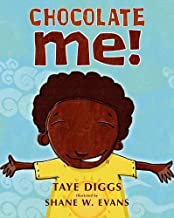
- Chocolate Me by Taye Diggs — A little brown boy learns to love the skin he’s in, even after being teased.
- Mixed Me by Taye Diggs — Celebrates the joy and complexity of being biracial.
- I Am Human by Peter Reynolds — A beautiful reminder that we all make mistakes, learn, and grow.
- Don’t Touch My Hair! by Sharee Miller — A playful story about personal boundaries, identity, and self-respect.
- Same Difference by Calida Garcia Rawles — Tackles questions of skin tone and beauty within a family.
- Dreamers by Yuyi Morales — A poetic, true story of immigration, resilience, and creating a new life.
- It’s Okay to be Different by Sharon Purtell — This rhyming book spreads the message that being different is a uniquely wonderful way to be. This is a delightful read for kids to listen to with an Audible Membership!

Books That Nurture Kindness, Belonging & Friendship
- Be Kind by Pat Zietlow Miller — A story of everyday kindness and choosing empathy, even when it’s hard.
- The Day You Begin by Jacqueline Woodson — Reflects on what it feels like to be different, and how courage helps us connect.
- All Are Welcome by Alexandra Penfold — Celebrates a school community where everyone belongs.
- Something Beautiful by Sharon Dennis Wyeth — A girl searches for hope in her neighborhood and finds beauty in her community.
Stories That Help Kids Notice Unfairness — and Do Something About It
- Something Happened in Our Town by Marianne Celano, Marietta Collins & Ann Hazzard — Two families (one white, one Black) respond to a police shooting in their community. Honest and impactful.
- Mama, Did You Hear the News? by Sanya Whittaker Gragg — Tackles “the talk” about safety and police encounters in a kid-friendly way.
- I Can Do Hard Things by Gabi Garcia — Encourages kids to use their voice for good, even when it’s tough.
- Say Something! by Peter Reynolds — Shows kids how speaking up can make a difference.

Words That Help: Vocabulary for Young Kids
Children are natural problem-solvers, but they need the right words to start. Introduce these terms gently, with examples from books and life:
- Diversity: Including people with different backgrounds, skin colors, languages, or beliefs.
- Bias: An unfair opinion about someone before really knowing them.
- Oppression: Treating people unfairly or cruelly for a long time.
- Racism: Unfair treatment of people based on their race or skin color.
Ask, Pause, Listen: Discussion Prompts for Reading Together
These simple questions can open big conversations and help kids reflect deeply:
- What do you think about this?
- Has this ever happened to you or someone else?
- What would you do in this situation?
- Is this fair? Why or why not?
- How does this story make you feel?
- What can we do to make our classroom or home more welcoming?

Final Thoughts: Modeling Matters When Teaching About Diversity
Raising children with big hearts doesn’t mean having all the right answers. It means being present, listening well, and modeling respect, even when conversations are hard.
Whether you’re a parent reading at bedtime or a teacher guiding a class discussion, your effort to include these stories, and the values they hold, is a step toward a more caring world.
Let’s grow a generation of children who see difference as beautiful, who speak up with kindness, and who believe in building a better world, together.
Strategies for having discussions with your child on tough topics can be found in my post, How to Talk to Young Children about Covid-19 here.